
Spring has a reputation problem.
Every year, as temperatures rise, homeowners step outside expecting fresh air—and instead get hit with something far less poetic. The yard smells off. Stronger. Sharper. Almost… fermented.
It’s tempting to blame spring itself.
But spring isn’t the culprit.
Winter is.
Dog Waste Doesn’t Disappear—It Pauses
During winter, dog poop doesn’t magically break down and vanish. Cold temperatures slow biological activity, but they don’t stop it entirely.
Microbes—the tiny organisms responsible for decomposition—enter a kind of low-energy standby mode. Waste sits on the surface or gets lightly buried under snow, leaves, and debris. Out of sight. Out of smell. Out of mind.
The key word here is paused, not gone.
The Thaw: When Everything Wakes Up at Once
When spring arrives, several things happen simultaneously:
Soil warms
Moisture returns
Snow melts and rehydrates organic matter
Microbial activity spikes
All of the waste that accumulated quietly over winter suddenly becomes biologically active again.
Bacteria get to work breaking down organic material. Gases are released. Odor compounds volatilize—meaning they move from the ground into the air much more easily in warmer temperatures.
That smell you notice isn’t new.
It’s months old.
Spring just flips the switch.
Why Yards Can Smell Worse Before They Look Bad
One of the most frustrating things for homeowners is that spring odors often appear before the yard looks messy.
That’s because smell isn’t about visibility—it’s about chemistry.
Even small amounts of decomposing waste can produce strong odors once moisture and warmth are introduced. A yard can look “mostly fine” and still be emitting enough odor to make it unpleasant to use.
This is especially noticeable in:
Smaller yards with repeated use
Areas where dogs favor the same spots
Shaded sections that stay damp longer
Lawns with compacted soil
The Compounding Effect: One Dog Adds Up Fast
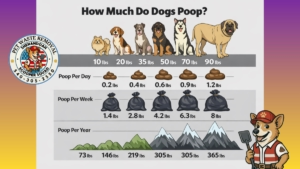
A single medium-size dog can produce hundreds of pounds of waste per year. Multiply that by weeks or months of winter buildup, and spring becomes less of a fresh start and more of a reckoning.
This isn’t about neglect—it’s about physics and biology doing what they do best.
How Regular Cleanup Breaks the Cycle
Consistent dog waste removal interrupts this process before it becomes a seasonal problem.
By removing waste regularly, you prevent:
Long-term organic buildup
Odor compounds from forming in the soil
Grass damage from nutrient overload
Bacteria spikes during warm weather
Instead of one big spring “reveal,” the yard stays balanced year-round.
Cleaner yards don’t happen all at once.
They’re built visit by visit.
Spring Should Smell Like Spring
Fresh air.
New growth.
A yard you actually want to use again.
If your lawn smells worse as the weather improves, it’s not a mystery—it’s a delayed reaction to winter buildup finally waking up.
And once you understand that, the solution becomes refreshingly simple.